Welding: For Customized Solutions and Welded Assemblies

The proven joining process of welding is particularly suitable for permanently connecting two or more workpieces and for applications that require high-quality joints. The main advantages of welding technology include: high joint strength, efficient assembly without the need for additional fasteners, and versatile applicability across different materials and geometries.

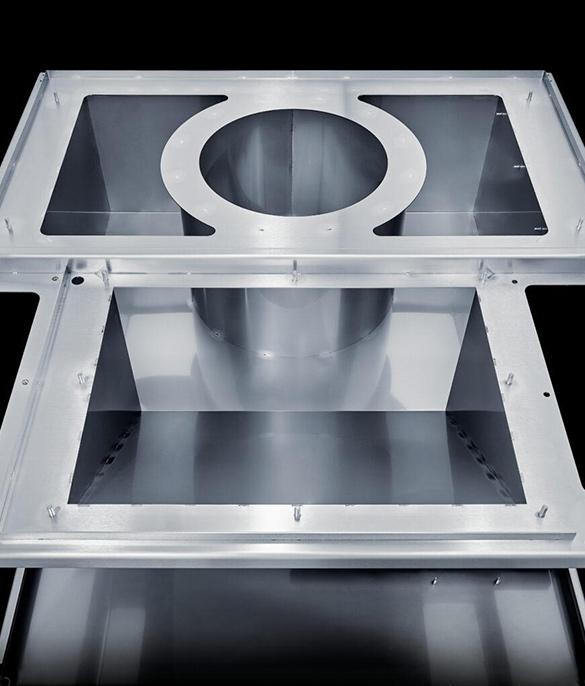
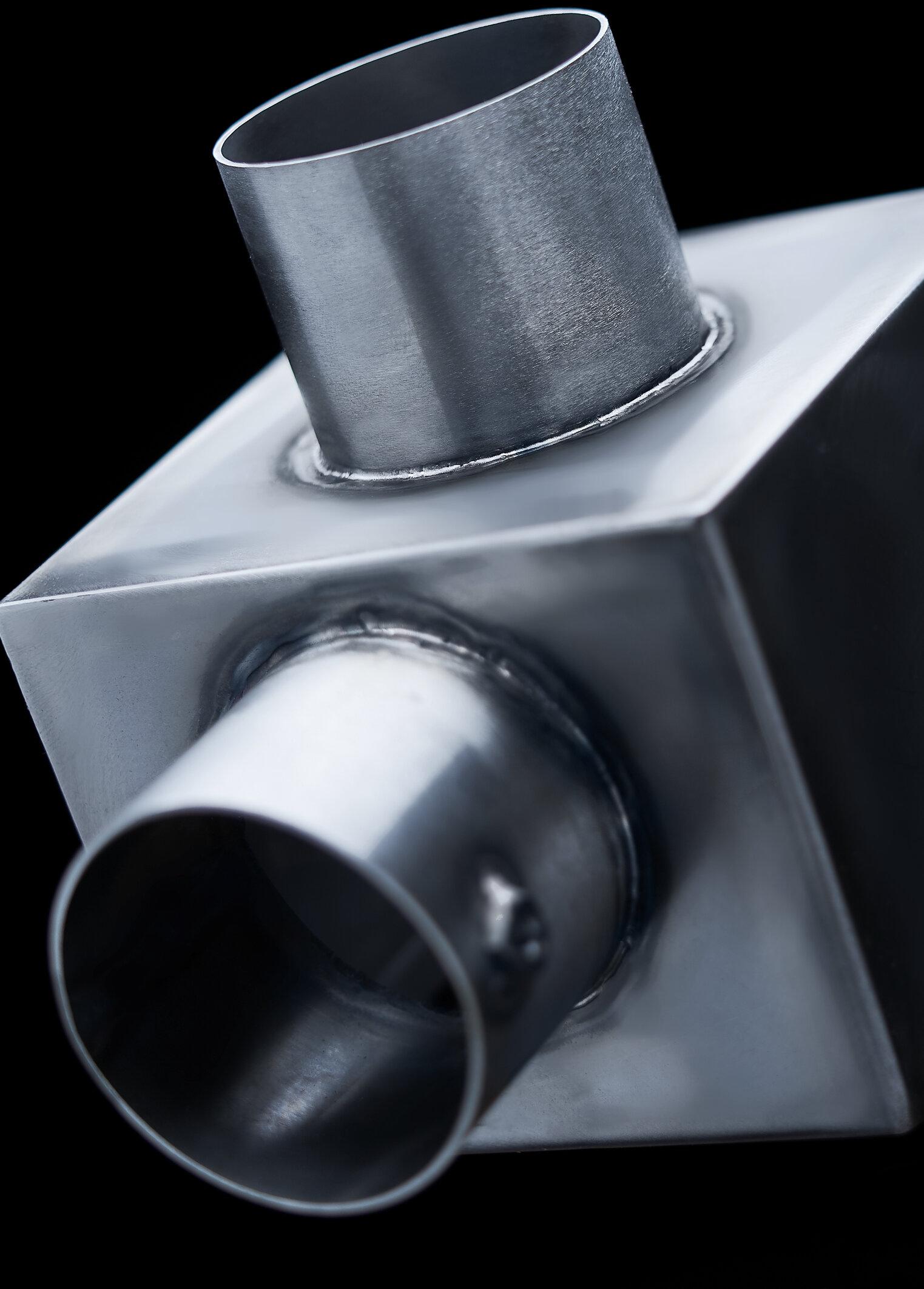
Our diverse welding processes are applied across a wide range of industries, including automotive and mechanical engineering. Another key focus of welding at WSM is the production of complex welded assemblies made of steel, stainless steel, and aluminum, used, for example, in plant engineering, pharmaceutical and cleanroom industries, the food sector, and medical technology.

Learn more here about the other industries for which we serve as a contract manufacturer in sheet metal processing:
Contract Manufacturing for Welding and Welded Assemblies in Baden-Württemberg

We offer the following welding processes for steel, stainless steel, and aluminum:

Shielded gas welding using TIG, MAG, and MIG processes, CMT welding in a welding cell, spot welding, stud welding, and resistance welding.

As part of our welding services, we provide both single-piece and series solutions to meet diverse requirements. We also manufacture complex welded assemblies, some consisting of more than 100 individual components. Our decades of experience in sheet metal processing and extensive know-how allow us to advise you expertly on your welding challenges and to deliver flawless results.

Feel free to contact us if you have any questions:

The WSM Sites in Reutlingen and Wehingen

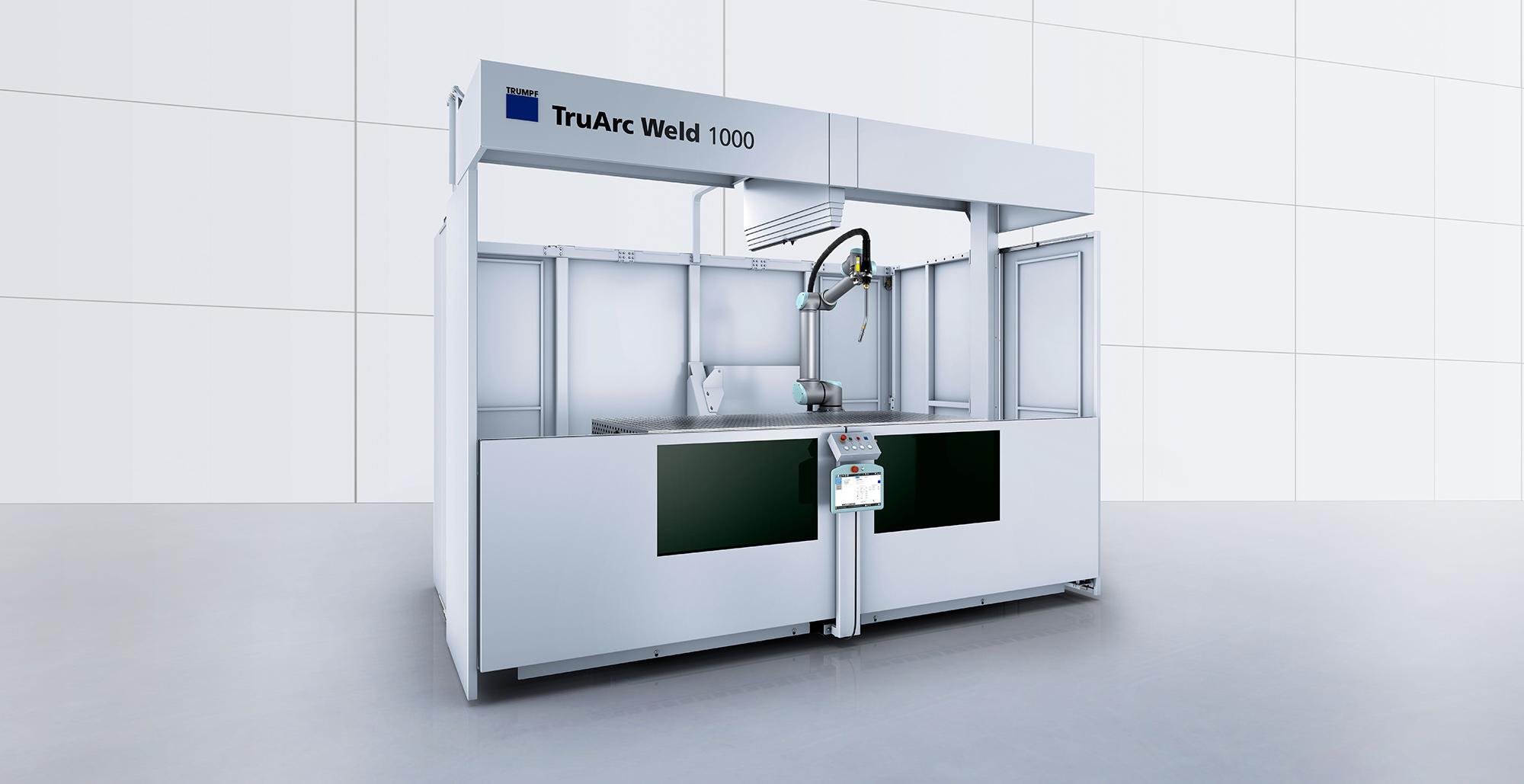
Our two production facilities are ideally located to efficiently handle welding inquiries throughout Baden-Württemberg and southern Germany. WSM offers both manual welding workstations for steel, stainless steel, and aluminum, as well as automated welding solutions carried out by robotic systems. Using our welding robot, we can process all materials with a maximum component size of 2000 × 600 × 600 mm.

Truarc_weld_1000

Welding Solutions for Various Applications / Industries

  1. Stud and Resistance Welding for the automotive industry, machinery & plant engineering, food industry, cleanroom technology, and medical technology (trays).
  2. Production of complex stainless steel and aluminum assemblies for cleanroom, pharmaceutical, and environmental technology.
  3. Manufacturing of simple welded assemblies, e.g., laser-cut or punched blanks with weld nuts or weld studs.
  4. Production of complex welded assemblies from multiple individual parts made of steel, stainless steel, and aluminum for machinery & plant engineering.
  5. Manufacturing of welded assemblies in larger quantities for the automotive industry using our welding robot.

Shielded Gas Welding: MIG, MAG and TIG Processes

This is a fusion welding process that falls within the category of arc welding. The joints of the components to be connected are melted by the heat of an electric arc, and as the molten material solidifies, a strong bond between the components is formed.

MIG (Metal Inert Gas) and MAG (Metal Active Gas) Welding

In MIG welding, an electric arc is generated between a consumable welding wire and the workpiece using an inert (non-reactive) gas such as helium or argon. This welding technique offers high welding speed and clean weld seams, which is why the MIG process is frequently used for welding aluminum and aluminum alloys—for example, in automotive bodywork or aerospace applications.

In MAG welding, active gases such as carbon dioxide or mixtures of argon with oxygen or carbon dioxide are used to join two or more components. Unlike MIG welding, active gases interact with the weld pool, making the MAG process particularly suitable for welding unalloyed or low-alloy steel.

Due to the fast welding times and the possibility of automating the welding process, MAG welding is highly economical. It is particularly well suited for series production, as it reduces production costs and typically requires only minimal post-processing.

TIG (Tungsten Inert Gas) Welding

TIG welding is another arc welding process that uses a non-consumable tungsten electrode to generate an arc that melts the metal at the welding point. As in MIG welding, an inert gas protects the arc and weld pool from external influences such as oxidation by oxygen. TIG welding guarantees clean and high-quality weld seams, which is why this technique is frequently used for demanding applications in medical technology as well as in the automotive, aerospace, and industrial sectors.

What Are Your Specific Welding Challenges?

REFERENCE PRODUCTS

Referenzprodukt Schweissen 9
Baugruppen

Our Services in Resistance, Spot and Stud Welding

These welding techniques are particularly advantageous for series and mass production, as resistance, spot, and stud welding enable fast and reliable joints.

Resistance and Spot Welding

In these two closely related techniques, two or more sheets are joined without filler material by applying pressure and electric current.

Spot welding is a specific method of resistance welding that focuses on point-by-point joining of sheet metal. In contrast, resistance welding encompasses a variety of techniques, all based on generating heat through electrical resistance to join metals.

Resistance and spot welding are ideal for sheet metal processing, such as the manufacture of metal housings, metal cladding, or applications in the electrical and automotive industries.

Stud Welding

In Stud Welding, a stud is welded onto a workpiece using an electric arc and pressed into the molten material, creating a secure joint. This welding process is particularly suitable for fastening electrical components in the electrical industry.

Discover our other services in sheet metal processing.

Do you already have a specific welding challenge?
Then please contact us!

WE LOOK FORWARD TO HEARING FROM YOU!