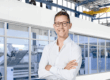


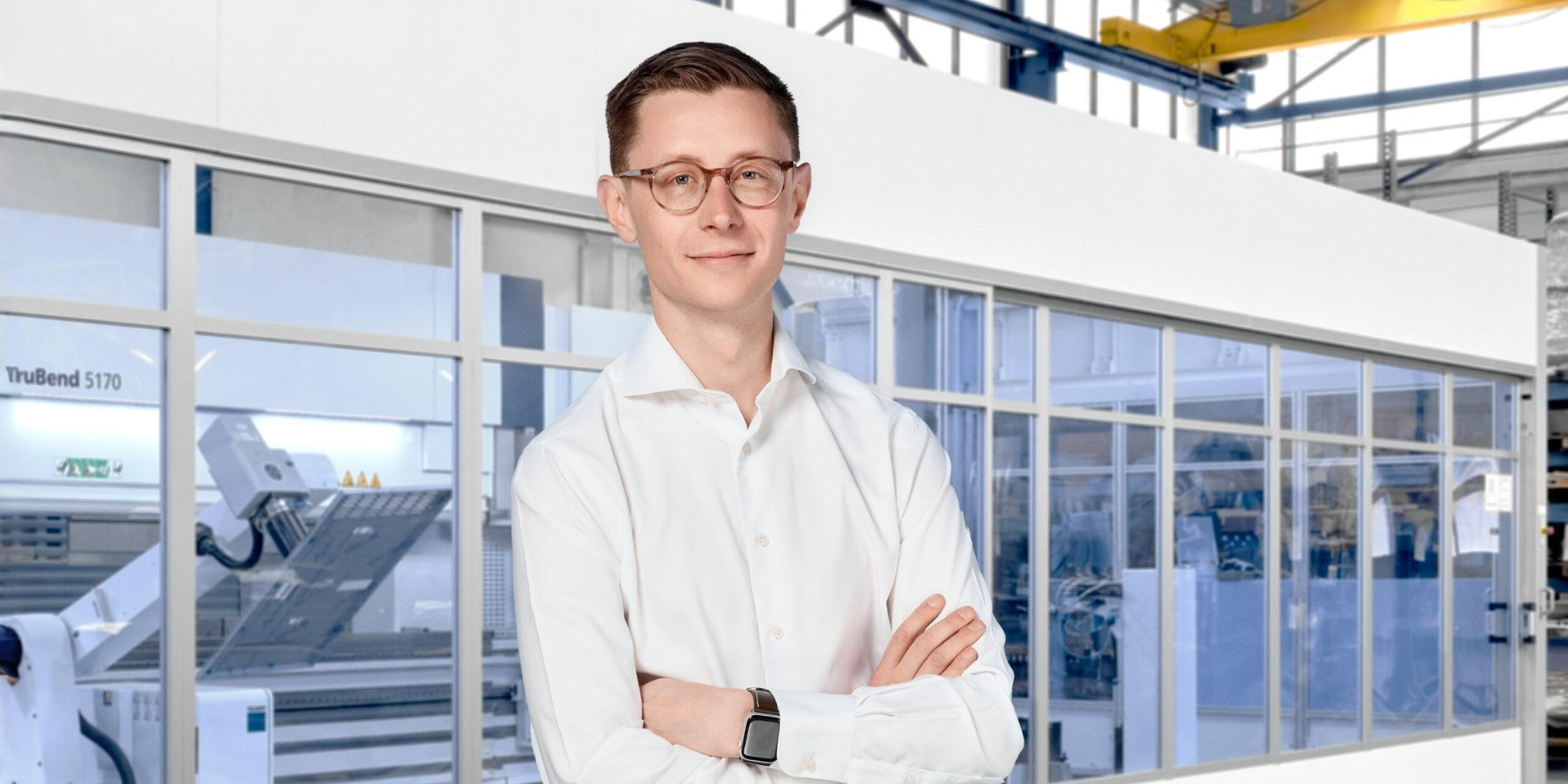
Technology, processes and digitalisation: these are the areas at the heart of Alexander Hermle’s role as Technical Director at WSM. After studying Business Information Systems at HTWG Konstanz, it was by no means certain that his career path would eventually lead him into the family business. Today, however, his role at WSM brings together exactly the two worlds that interest him most: technology and IT. This combination plays an important role in the continuous development of workflows, digital structures and manufacturing processes in sheet metal processing. In this interview, Alexander explains how the metalworking industry and IT can be brought together, which technological developments he finds particularly exciting and why data, digitalisation and continuous optimisation go hand in hand for him.
What fascinates you most about the combination of technology and IT?
At the beginning, one question in particular interested me: How can we meaningfully combine the metalworking industry with IT? Today, we can see how much data is generated across different areas of the company and how much potential lies within it. That is also why I developed an app specifically tailored to WSM. For me, the key is to bring existing data together, present it in a clear and useful way and use it to create more efficient processes. Digitalisation and continuous optimisation naturally go hand in hand.
What do you enjoy most from a technical perspective?
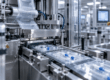
Definitely programming machines. I particularly enjoy the direct connection between digital planning and actual manufacturing. At the same time, the technical possibilities in sheet metal processing continue to evolve. In recent years, technologies such as fibre laser technology and handheld laser welding have opened up new opportunities. Understanding these developments, using them effectively and integrating them into existing processes is one of the aspects of my work that I find particularly exciting.
Which project are you particularly proud of?
A complex project for a customer in the medical technology sector. We worked on it with a small team for around a year and a half and, among other things, completed audits at both WSM sites in Wehingen and Reutlingen. The project demonstrated the technical breadth, expertise and quality standards we are able to cover across our two sites. It also showed that we can reliably and efficiently meet complex requirements from demanding industries such as medical technology.
Which part of your day-to-day work do you enjoy most?
A complex project for a customer in the medical technology sector. We worked on it with a small team for around a year and a half and, among other things, completed audits at both WSM sites in Wehingen and Reutlingen. The project demonstrated the technical breadth, expertise and quality standards we are able to cover across our two sites. It also showed that we can reliably and efficiently meet complex requirements from demanding industries such as medical technology.
What do you expect from yourself and from the team?
Commitment and responsibility. Mistakes can happen in day-to-day work. What matters to me is acknowledging them, taking responsibility and drawing the right conclusions from them. At the same time, I have high standards for my own work. My approach can be summed up quite well in one sentence: “Good is not perfect enough.”
What makes WSM stand out from your perspective?
For a company of our size, we are very broadly positioned. With our two sites in Wehingen and Reutlingen, we can cover a wide range of sheet metal processing capabilities and meet a variety of quality requirements. This is particularly evident in complex components and projects for demanding industries, including medical technology and applications with high requirements for cleanliness, precision and process reliability.
And how would you describe yourself in three words?
Analytical. Structured. Tech-savvy.
These qualities also shape his role at WSM: understanding technical relationships, systematically challenging processes and developing digital solutions wherever they create real value for manufacturing and the organisation.