Punching and Deep Drawing: Precision and Versatility

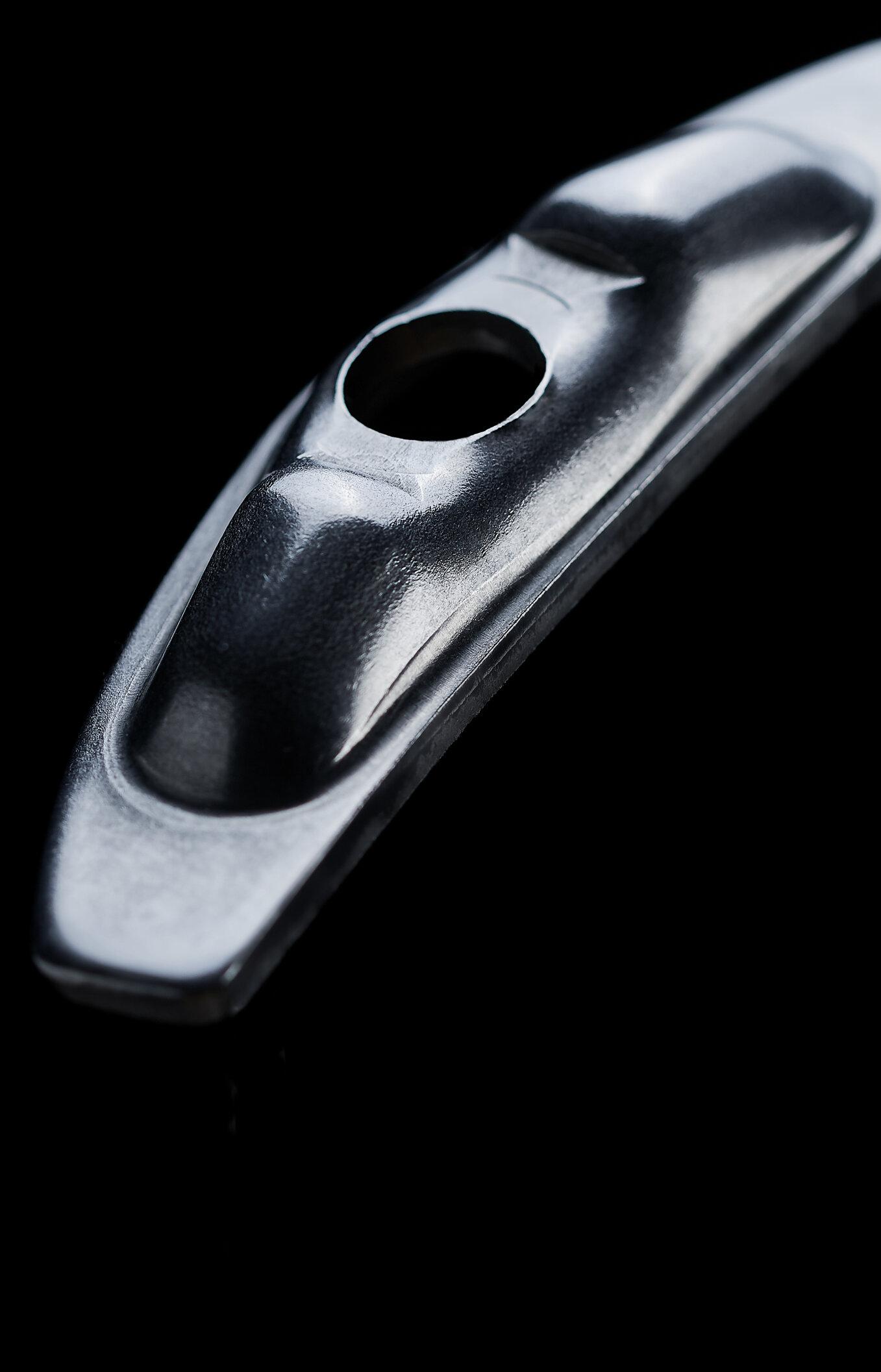
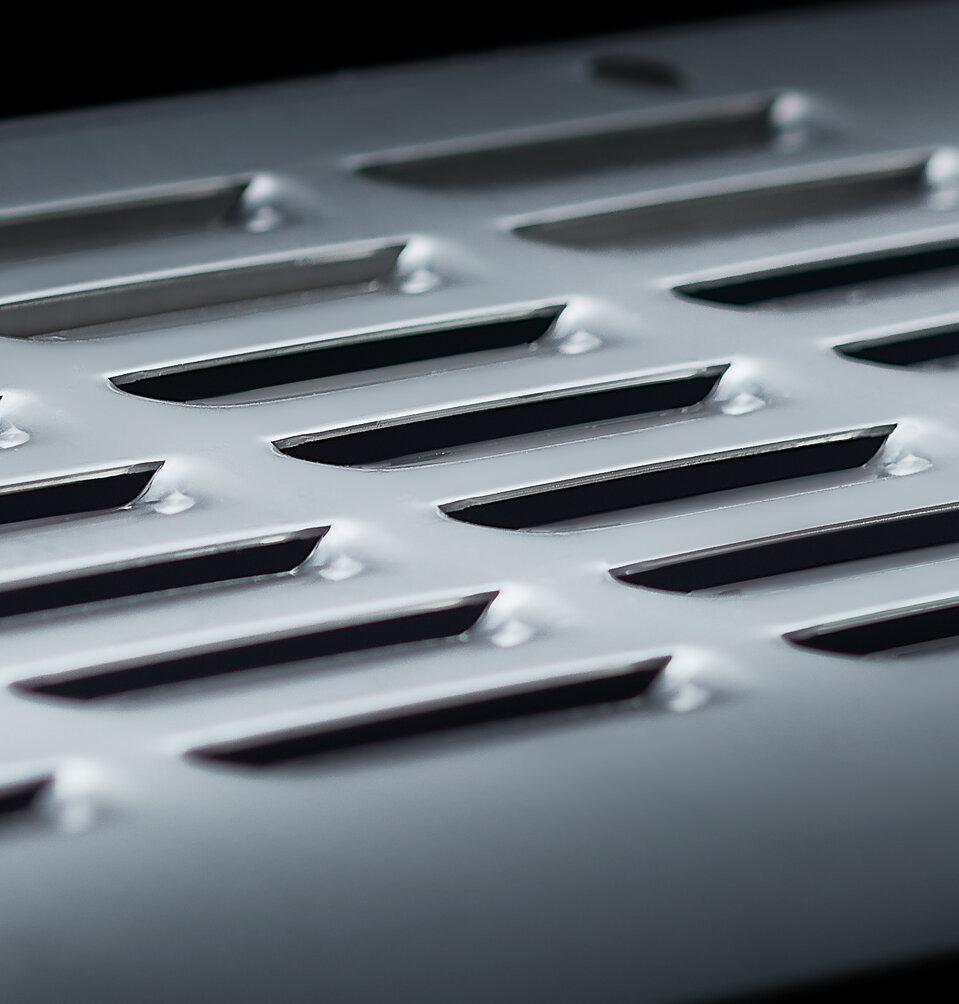
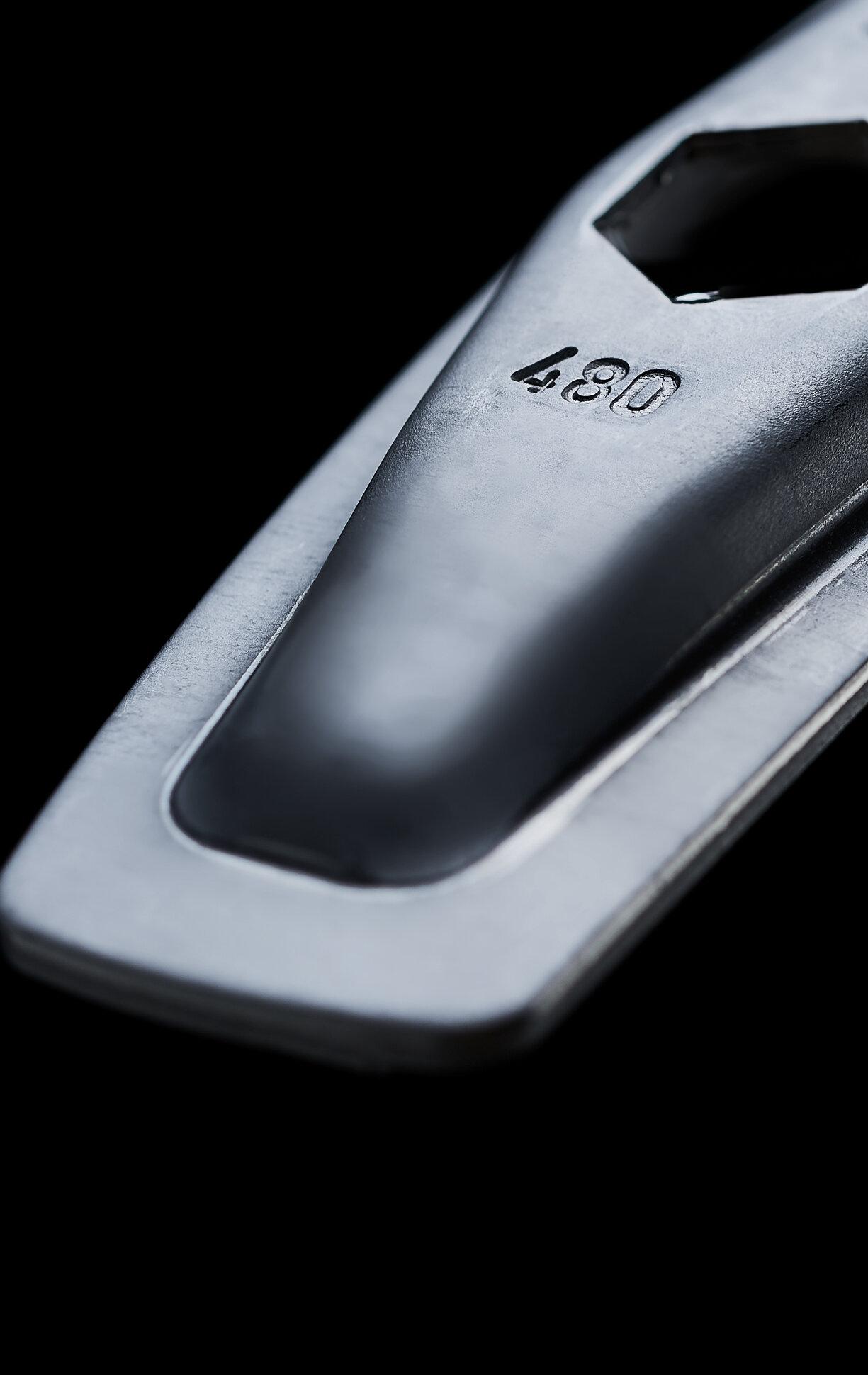
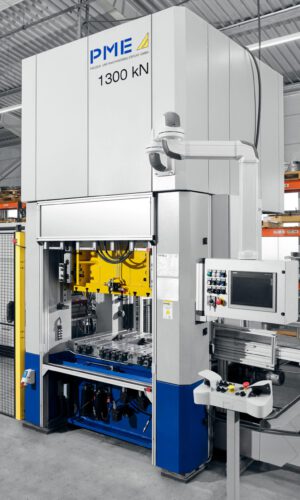
On our eccentric presses, punching machines and hydraulic presses, we manufacture punched and bent parts with a press force of 2.5 to 150 tons. We process materials such as steel, stainless steel, aluminium and non-ferrous metals in thicknesses from 0.1 to 5 mm. Deep drawing technology requires absolute precision and a fine understanding of the respective material. With our modern machines, we produce even complex shapes from prototypes through to large-scale production – always accurately fitting and of the highest quality.

Learn more here about the other industries for which we serve as a contract manufacturer in sheet metal processing:
WSM: Contract Punching in Baden-Württemberg

Our decades of experience and expertise allow us to provide you with professional advice on your punching challenges and deliver flawless results.

Feel free to contact us if you have any further questions:

The WSM sites in Reutlingen and Wehingen

Our two production facilities are ideally located to efficiently handle punching and deep drawing inquiries throughout Baden-Württemberg and southern Germany. In addition to punched parts made of steel, stainless steel and aluminium, we manufacture further components such as:

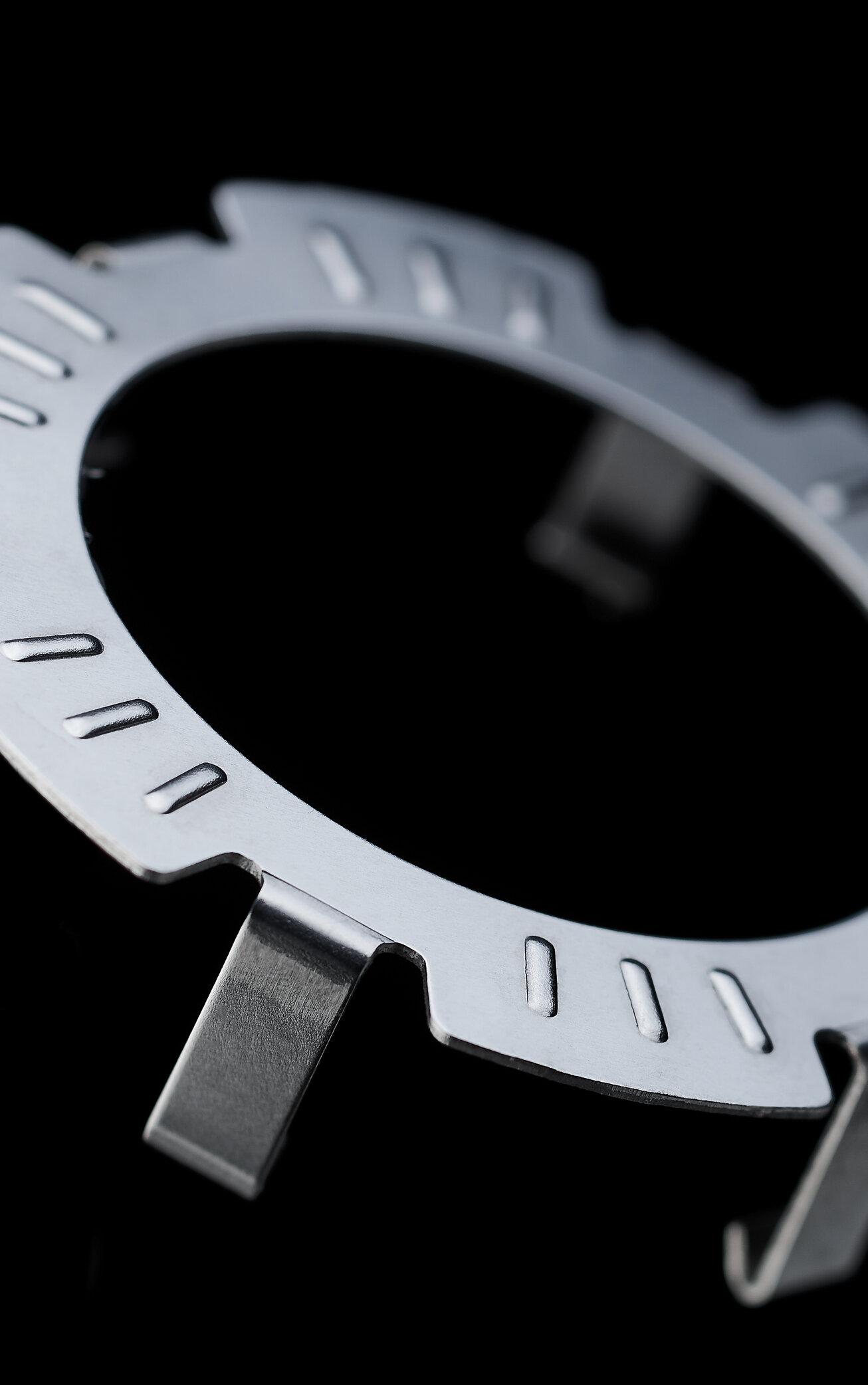
Angles, mounting plates, brackets, embossed parts, bent parts, sealing elements, and deep-drawn parts

Furthermore, we manufacture punched parts from various non-ferrous metals, single-stroke punched parts, as well as complex punched and formed parts using multi-stage progressive dies.

Industries We Serve with Punching & Deep Drawing

Stanzen
  • Punching
  • Automotive
  • Pipeline construction
  • Aerospace industry
  • Mechanical engineering
  • Medical technology
  • Food industry
  • Consumer goods

The difference between Deep Drawing and Punching

In deep drawing, the sheet metal is formed to create a smooth surface with precise dimensions. This process is widely used in the automotive and aerospace industries, as it allows the production of complex components with high precision and stability without requiring additional joining techniques such as welding.

In punching, the material (sheet metal) is shaped using a die. Punched parts are generally less precise and have a rougher surface than deep-drawn parts. Additional finishing is often required to achieve the desired surface quality. Punching is a commonly used process applied in machine housings, vehicle construction, and electrical engineering. It is often closely associated with laser cutting, and some machines combine both processes in a single system.

Punch Laser Cutting

This sheet metal processing method combines the advantages of punching and laser cutting in one machine. While punching is particularly suitable for fast cuts and repetitive shapes, laser cutting is used for complex geometries and precise contours. By combining these two technologies, both simple and complex components can be efficiently produced using punch laser cutting. Additionally, our punch-laser combination machines allow countersinks, threaded holes, and simple forming operations to be integrated directly into the material, reducing the need for time-consuming mechanical post-processing.

What Are Your Specific Challenges in Punching or Deep Drawing?

REFERENCE PRODUCTS

Referenzprodukt Stanzen 8

The advantages of punching and deep drawing at a glance

High precision and quality

Efficient production of complex shapes

Versatility in material processing

Cost-efficient production


We look forward to meeting your requirements and offering you customized punching and deep drawing solutions.

Discover our other services in sheet metal processing.

DO YOU HAVE A NEW CHALLENGE FOR US?

THEN CONTACT US!

WE LOOK FORWARD TO HEARING FROM YOU